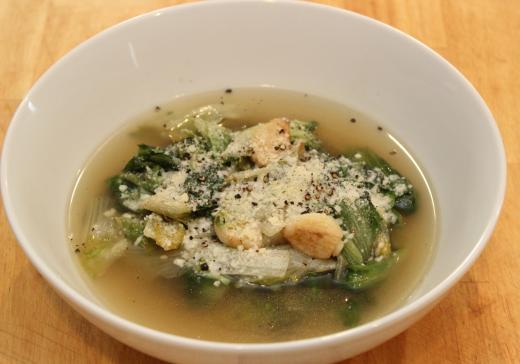
Nonna's Escarole Soup: A Warm Embrace of Italian Heritage
The very mention of escarole soup conjures vivid images of bustling Italian kitchens, the gentle hum of family conversations, and an irresistible aroma that promises comfort and connection. For many, this simple yet profoundly flavorful dish isn't just a meal; it's a direct link to their roots, a culinary hug from generations past. Imagine stepping into Nonna's kitchen on a chilly Sunday, greeted by the fragrant steam of simmering garlic and vibrant greens. This isn't merely food; it's a ritual, a piece of shared history, and an embodiment of love served in a humble bowl. Whether you grew up with this tradition or are discovering it for the first time, Nonna's escarole soup offers a taste of authentic Italian heritage, a warm embrace on any day.
The Enduring Charm of Nonna's Escarole Soup
Escarole soup holds a special place in the heart of Italian cuisine, particularly in family homes. It's often the centerpiece of Sunday lunches or a restorative meal during the cooler months. The beauty of this dish lies in its unpretentious nature and its ability to deliver profound satisfaction with relatively few ingredients. It's a testament to the Italian philosophy of making exceptional food from simple, fresh components. The core of this charm comes from the delicate balance of earthy greens, savory broth, and often, a whisper of garlic and onion. Each spoonful is a journey back to the essence of home cooking – nourishing not only the body but also the soul. It’s a versatile soup, enjoyed by all ages, and adaptable to various dietary preferences, making it a truly universal comfort food that continues to be passed down with pride and affection.
What Exactly is Escarole? Unveiling the Star Green
At the heart of this iconic dish is, of course, escarole. But what exactly is this verdant leafy green that gives the soup its distinctive character? Escarole (pronounced ESS-kuh-roll) is a type of endive, belonging to the chicory family. It’s easily identifiable by its broad, slightly curly, bright green leaves, which transition to paler, more tender yellow-white leaves at its core.
Its flavor profile is what truly sets it apart. Escarole boasts a pleasant, slightly bitter edge, particularly in its darker outer leaves. This bitterness, far from being a drawback, is a cherished quality that adds complexity and a refreshing counterpoint to the richness of the broth and other savory ingredients. When cooked, escarole softens beautifully, becoming tender and somewhat less bitter, allowing its earthy notes to shine. Beyond its unique taste, escarole is also a nutritional powerhouse. It's packed with vitamins A and K, folate, and dietary fiber, making your bowl of escarole soup not just delicious, but incredibly good for you. It’s an excellent choice for adding a hearty, healthful component to soups, stews, or even salads, where its texture provides a satisfying crunch.
Mastering the Art of Escarole Soup: From Prep to Perfection
Creating a truly memorable escarole soup involves a few key steps, from preparing the greens to balancing its signature flavor.
Preparing Your Escarole: A Step-by-Step Guide
Properly cleaning and preparing escarole is crucial for both taste and texture. Its nooks and crannies can harbor dirt, and its natural bitterness needs to be managed for optimal flavor.
- Trim and Segment: Start by trimming off the tough bottom core of the escarole head. This woody part can be discarded.
- Slice and Separate: Cut the head in half from top to bottom, then slice it into thin strips, roughly ½ to 1 inch wide. This makes it easier to clean and ensures even cooking.
- Thorough Rinse: Place the cut escarole in a large bowl or colander and rinse it thoroughly under cold running water. Agitate the leaves with your hands to dislodge any trapped dirt or grit. You might need to rinse it several times until the water runs clear.
- Dry Completely: The final step is to dry the escarole. A salad spinner is your best friend here, quickly removing excess water. If you don't have one, pat the leaves dry with paper towels. Excess water can dilute your soup’s flavor. For more detailed tips on getting your greens perfectly clean and ready, you might want to explore a comprehensive resource like Master Escarole Soup: Clean Greens & Banish Bitterness Guide.
Taming the Bitterness: Achieving Flavor Harmony
While escarole's slight bitterness is part of its charm, an overly bitter soup can be off-putting. Several factors can contribute to this, and thankfully, there are simple solutions:
- Blanching: If your escarole is particularly pungent, a quick blanch can work wonders. Submerge the sliced escarole in boiling water for about two minutes, then immediately transfer it to an ice bath to stop the cooking. Drain and dry before adding to your soup. This process significantly reduces the bitterness.
- Ingredient Balance: The other ingredients in your escarole soup play a vital role. Sweet notes from sautéed onions and carrots, along with the umami of celery, can perfectly offset the escarole. For example, using milder onions instead of highly pungent varieties can make a difference. Similarly, opting for fresh garlic cloves instead of garlic powder provides a more nuanced flavor.
- Seasoning Adjustments: Don't underestimate the power of seasoning! A touch of sweetness (a pinch of sugar or a drizzle of honey), a splash of acidity (lemon juice or a dash of good quality vinegar), and, of course, ample salt can harmonize all the flavors. Taste your soup as you go and adjust until it reaches a perfect balance that truly sings. The secret to Italy's beloved escarole soup often lies in these subtle adjustments and balancing acts, a deeper dive into which can be found in articles like The Secret to Italy's Beloved Escarole Soup Comfort Food.
Making It Your Own: Vegetarian & Beyond
Traditionally, escarole soup often features chicken broth and sometimes small pieces of chicken or Italian sausage. However, it's incredibly adaptable:
- Vegetarian Version: Easily transform chicken escarole soup into a vegetarian delight by simply swapping chicken stock for a rich vegetable broth. To add more heartiness, consider incorporating extra vegetables like sliced mushrooms, zucchini, or even canned white beans for protein and texture.
- Adding Substance: Many recipes include tiny pasta shapes (like ditalini or pastina) or small meatballs, turning it into a more substantial meal.
Serving & Savoring Nonna's Escarole Soup: The Full Experience
The experience of Nonna's escarole soup extends beyond its preparation; how you serve and enjoy it is equally important.
The Perfect Presentation
Always serve your escarole soup piping hot. A generous garnish is essential for elevating the flavors and presentation:
- Parmesan Perfection: A showering of freshly grated Parmesan cheese melts slightly into the hot broth, adding a salty, nutty, and irresistible creaminess.
- Olive Oil Drizzle: A final drizzle of high-quality extra virgin olive oil not only enhances the flavor but also adds a beautiful sheen and richness to each bowl.
- Crusty Companion: And, of course, no bowl of Italian soup is complete without a side of crusty Italian bread. It's not just for dipping; it's absolutely essential for soaking up every last drop of that delectable, savory broth. For a truly authentic Italian experience, consider pairing it with a glass of robust red wine, complementing the soup’s earthy notes.
Storing and Reheating Your Liquid Gold
One of the many joys of escarole soup is that it often tastes even better the next day as the flavors meld and deepen.
- Refrigeration: Store leftover soup in an airtight container in the refrigerator for up to 3-4 days.
- Freezing: Escarole soup freezes beautifully! Allow it to cool completely, then transfer it to freezer-safe containers or bags. It can be stored in the freezer for up to 2-3 months.
- Thawing: When ready to enjoy, thaw frozen soup overnight in the refrigerator.
- Reheating: Gently warm the soup on the stovetop over medium-low heat, stirring occasionally, until it's heated through. If it seems a little thick after refrigeration or freezing, you can add a splash of vegetable or chicken broth to bring it back to the desired consistency. While the microwave works in a pinch, be careful not to overheat it, which can sometimes diminish the delicate flavors.
Conclusion
Nonna's Escarole Soup is more than just a recipe; it's a culinary legacy, a warm embrace that transcends generations. It reminds us that the most profound comforts often come from the simplest ingredients, prepared with love and tradition. From the robust flavor of escarole to the savory depth of the broth, every element works in harmony to create a dish that is both nourishing and deeply satisfying. Whether you're seeking a taste of authentic Italian heritage, a comforting meal on a cold day, or simply a delicious and healthy way to enjoy leafy greens, this escarole soup delivers. So, gather your ingredients, follow these steps, and prepare to welcome the heartwarming tradition of Nonna’s kitchen into your home.