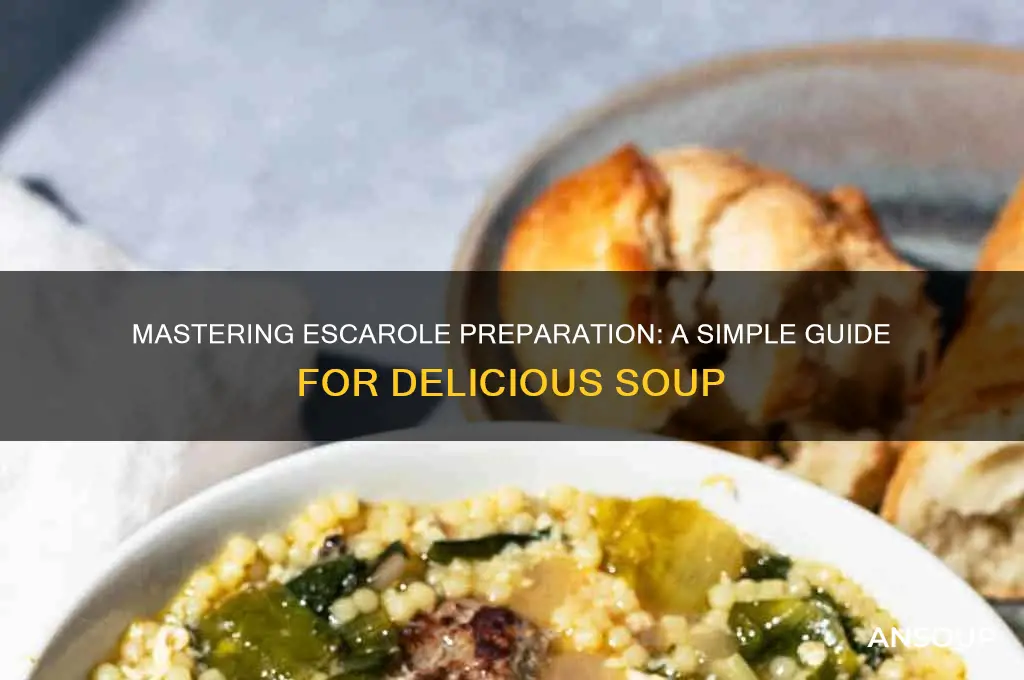
Master Escarole Soup: Clean Greens & Banish Bitterness Guide
There are few aromas as comforting and nostalgic as garlic simmering with fresh escarole, signaling the start of a truly soulful meal. For many, escarole soup isn't just a dish; it's a culinary hug, a connection to heritage, and a simple yet profound expression of love. Passed down through generations, particularly in Italian households, this humble bowl of greens and broth has earned its place as a cherished comfort food.
Whether you're deeply rooted in Italian traditions or simply seeking a hearty, flavorful, and incredibly satisfying soup, mastering escarole soup is a culinary journey worth taking. This guide will walk you through everything from selecting and cleaning your greens to expertly balancing flavors, ensuring your escarole soup is always vibrant, tender, and perfectly delicious, without a hint of unwanted bitterness.
What is Escarole? Your Leafy Green Companion
Before diving into the soup, let's get acquainted with the star ingredient: escarole. Often overlooked in favor of more common lettuces, escarole is a member of the chicory family, much like endive and radicchio. It boasts broad, slightly crinkled leaves that transition from a pale yellow-green heart to darker, greener outer leaves. This variation in color also hints at a subtle difference in flavor – the lighter leaves are generally milder, while the darker ones tend to be more robust and possess that characteristic, pleasant bitterness.
Escarole is incredibly versatile. While it's a cornerstone of classic Italian escarole soup, its crisp texture and distinctive flavor make it a fantastic addition to salads, where its bitterness can be beautifully offset by sweet dressings or complementary ingredients. In cooked dishes, its leaves soften wonderfully, absorbing the flavors around them while retaining a delightful chew. Beyond its culinary appeal, escarole is packed with nutrients, including vitamins A and K, and dietary fiber, making your comforting soup a genuinely healthy choice.
The Heart of the Matter: Why Escarole Soup Reigns Supreme
The enduring popularity of escarole soup, especially in Italian-American cuisine, speaks volumes about its power. It’s more than just a vegetable soup; it's a cultural touchstone. Imagine the warmth of your Nonna's kitchen, the comforting scent of a slow-simmering broth, and the family gathered around the table – this is the essence of escarole soup. To truly appreciate its depth, explore Nonna's Escarole Soup: A Warm Embrace of Italian Heritage for a deeper dive into its cherished legacy.
Beyond its nostalgic charm, escarole soup offers a multitude of benefits:
- Nutrient-Rich Comfort: It's a fantastic way to incorporate hearty, leafy greens into your diet, providing essential vitamins and minerals in a delicious, comforting package.
- Versatility Personified: While traditionally made with chicken broth, it's incredibly adaptable. You can easily transform it into a robust vegetarian meal by swapping to vegetable stock and adding extra veggies, or make it more substantial with meatballs or small pasta.
- Simple Elegance: Despite its profound flavor, the preparation of a classic escarole soup is remarkably straightforward, relying on quality ingredients and simple techniques to shine.
Mastering the Greens: Cleaning Escarole Like a Pro
One of the most crucial steps to achieving a sublime escarole soup, free from grittiness, is proper cleaning. Escarole, growing close to the ground, can harbor a surprising amount of dirt and debris between its leaves. Don't skip this step!
- Trim the Base: Start by trimming about an inch or so off the bottom core of the escarole head. This removes the tough, rooty part and helps the leaves separate more easily.
- Halve and Slice: Cut the head of escarole in half from top to bottom. Then, slice each half into thin strips, roughly 1/2 to 1 inch wide. This makes them easier to manage and cook evenly.
- Rinse Thoroughly (The Key Step): Place the sliced escarole in a large bowl or colander. Run cold water over it, using your hands to agitate and separate the leaves. Dirt often sinks to the bottom, so lift the escarole out of the water rather than draining it directly. Repeat this process at least 2-3 times, refilling with fresh cold water, until no visible dirt or grit remains at the bottom of the bowl. This meticulous rinsing is essential for a clean-tasting soup.
- Dry Appropriately: Excess water can dilute your soup's flavor and make sautéing difficult. Spin the cleaned escarole in a salad spinner to remove as much water as possible. If you don't have a spinner, pat it thoroughly dry with clean paper towels or a kitchen towel.
Your escarole is now pristine and ready to bring its unique character to your soup pot!
Taming the Bitterness: Secrets to a Perfectly Balanced Escarole Soup
The defining characteristic of escarole, its subtle bitterness, is what makes it so appealing in soup. However, an overly bitter soup can be off-putting. Understanding how to manage and balance this flavor is key to The Secret to Italy's Beloved Escarole Soup Comfort Food.
Understanding and Mitigating Escarole's Bitterness
Escarole's bitterness comes from compounds within the plant itself. While we want some of that distinctive flavor, here's how to ensure it's pleasantly subtle, not overwhelming:
- Blanching – Your Secret Weapon: If you're particularly sensitive to bitterness or have a very dark, mature head of escarole, a quick blanch can work wonders. Bring a pot of salted water to a rolling boil. Submerge your cleaned escarole for just 1-2 minutes. Immediately drain it and, if desired, plunge it into an ice bath to stop the cooking and preserve its vibrant green color. Squeeze out excess water before adding it to your soup. This process significantly reduces bitterness without stripping away all the flavor.
- Cook Time Matters: Simply cooking the escarole within the soup for a sufficient amount of time (usually 15-20 minutes, or until tender) naturally mellows its bitterness. The longer it simmers in the broth, the softer it becomes and the more its bitter edge recedes.
Balancing Flavors: The Art of a Palatable Soup
Beyond reducing bitterness, the true mastery of escarole soup lies in balancing its flavors with other ingredients:
- Embrace Sweetness: The classic Italian soffritto (sautéed onions, carrots, and celery) is your first line of defense. The natural sugars released from these vegetables during a slow sauté provide a crucial sweet counterpoint to the escarole. A touch of honey or a pinch of sugar can be added as a last resort if your soup still tastes too bitter, but usually, proper aromatics do the trick.
- Introduce Acidity: A splash of fresh lemon juice or even a touch of white wine vinegar at the end of cooking can brighten the flavors and cut through any lingering bitterness. Acid acts as a palate cleanser and harmonizer.
- Season Liberally with Salt: Never underestimate the power of salt. Proper seasoning doesn't just make food salty; it amplifies and rounds out all the other flavors. Taste as you go and adjust the salt until the soup tastes vibrant and balanced.
- Mind Your Aromatics: While garlic and onions are essential, their intensity can sometimes contribute to a perceived bitterness. If you find your soup too pungent, consider using milder onion varieties, or slightly reducing the amount of garlic. Fresh garlic tends to offer a smoother flavor than garlic powder.
Crafting Your Signature Escarole Soup (Beyond the Greens)
With your greens clean and bitterness understood, let's complete your magnificent escarole soup:
- Choose Your Broth Wisely: The foundation of any great soup is its broth. A high-quality chicken stock offers rich depth, while a flavorful vegetable broth makes for an excellent vegetarian rendition. For an even more profound flavor, consider making your own broth.
- Build a Flavorful Base: Begin by gently sautéing your aromatics – finely diced onions, carrots, and celery – in olive oil until softened and slightly translucent. Add minced garlic towards the end of this process to prevent burning. This aromatic base is paramount for a deeply flavored soup.
- Optional Additions for Heartiness:
- Meat: Many traditional recipes include small pasta, often ditalini or acini di pepe, cooked directly in the broth. For a more substantial soup, browned Italian sausage, shredded cooked chicken, or small chicken or beef meatballs are popular choices.
- Extra Vegetables: Feel free to add other quick-cooking vegetables like diced zucchini, mushrooms, or cannellini beans for added texture and nutrition.
- Simmer to Perfection: Add your cleaned escarole (blanched, if desired) to the pot along with the broth. Bring to a gentle simmer and cook until the escarole is tender, typically 15-20 minutes.
Storing and Reheating Your Escarole Soup
One of the beauties of escarole soup is that it often tastes even better the next day, allowing the flavors to meld further. Proper storage ensures you can enjoy your delicious creation for days to come.
- Refrigeration: Allow the soup to cool completely before transferring it to an airtight container. It will keep beautifully in the refrigerator for 3-4 days.
- Freezing: Escarole soup freezes exceptionally well. Portion cooled soup into freezer-safe containers or heavy-duty freezer bags, leaving some headspace. It can be frozen for up to 2-3 months. Thaw overnight in the refrigerator before reheating.
- Reheating:
- Stovetop: Gently warm the soup in a saucepan over medium-low heat, stirring occasionally, until heated through. If it seems too thick, you can add a splash of extra broth or water.
- Microwave: Reheat individual portions in the microwave, stirring halfway through. Be careful not to overheat, which can make the escarole mushy.
Serve your Master Escarole Soup piping hot, adorned with a generous sprinkle of freshly grated Parmesan cheese and a drizzle of high-quality extra virgin olive oil. A crusty loaf of Italian bread for dipping into the flavorful broth is not just recommended, it's essential!
Conclusion
From the meticulous cleaning of your greens to the strategic balancing of flavors, mastering escarole soup is a rewarding culinary endeavor. This classic Italian comfort food offers a delightful blend of earthy bitterness, savory broth, and tender greens, creating a bowl that nourishes both body and soul. By following these tips and embracing the subtle art of flavor harmony, you can confidently create an escarole soup that is vibrant, perfectly seasoned, and utterly unforgettable, bringing warmth and tradition to your table with every spoonful.
